
BLOG & ARTICLES
Power Property Management


Power Property Management
August 19, 2026
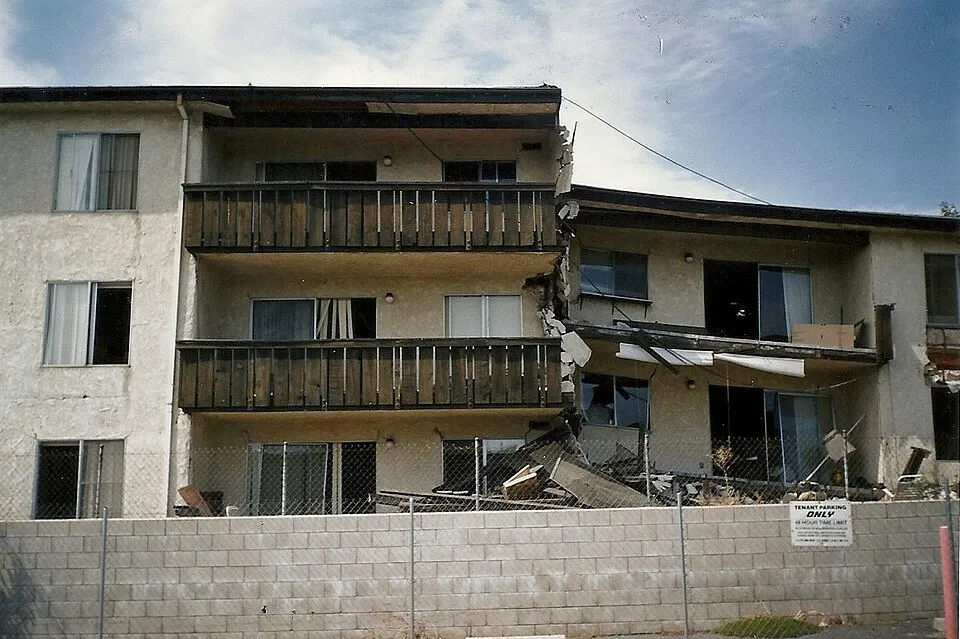
Los Angeles has mandatory seismic retrofit programs for certain vulnerable buildings, including qualifying wood frame structures with soft, weak, or open areas and certain nonductile concrete buildings. These programs address structural deficiencies that can contribute to failure during or after an earthquake.
Requirements vary by building, so owners should first confirm the property's Los Angeles Department of Building and Safety (LADBS) retrofit status and whether an Order to Comply applies.
Once the city status is clear, attention can move to what must physically change.
For a building that receives an Order to Comply under the Soft Story Retrofit Program, the compliance process includes structural analysis. Los Angeles Housing states that the analysis must be prepared by an architect or structural engineer and can demonstrate that the existing building complies, propose alterations that meet the requirements, or address demolition when applicable. Required permits also form part of the compliance process.
The approved structural scope should guide the operating schedule. Work affecting parking, entrances, common spaces, or other frequently used areas may require different access arrangements.
Access planning should also account for reasonable accommodation requests from residents with disabilities, including accessible parking, routes, relocation arrangements, or additional notice when appropriate.
Owners considering other upgrades can also review our capital improvement services.
An occupied apartment building adds responsibilities that do not exist at an empty construction site.
Los Angeles Housing requires a Tenant Habitability Plan (THP) for city-mandated soft story seismic retrofit work covered by the applicable program. The plan identifies the work and addresses how its effects on residents and their personal property will be reduced.
The THP identifies several areas that must be addressed when applicable to the work, including:
Before seismic retrofit work begins, the Tenant Habitability Plan must be submitted to Los Angeles Housing. Once the plan is accepted, owners must provide affected tenants with the non-confidential portion of the THP and the Seismic Retrofit Work Appeal Form. Tenants have 15 calendar days from the date the owner serves the THP documents to submit an appeal. If the THP is not appealed, the approved plan will be implemented.
These issues form part of the city's habitability process when applicable and can also guide resident communication about actual construction impacts.
Engineers, contractors, and property management handle different parts of a seismic retrofit. Defining those responsibilities before construction begins can reduce confusion once work is underway.
Owners can establish who handles contractor questions, resident communication, building access, and routine maintenance. Entry into individual units should also follow applicable tenant-notice and lawful-access requirements. Routine maintenance and applicable housing-service obligations should continue to be addressed during construction. This keeps structural concerns separate from everyday property requests.
Our property management services cover ongoing responsibilities including leasing, maintenance, financial services, and capital improvements.
Obtaining a permit does not complete the city approval process. Permitted construction in Los Angeles is subject to inspection, and work generally proceeds through successive inspection stages before covered portions can move forward. A final inspection is also required when the permitted work is complete.
For an apartment owner, inspection timing should be considered when coordinating the construction sequence. Contractors need to identify when completed work is ready for review and avoid covering areas that still require city approval.
This can be especially important when later construction depends on an earlier portion being accepted. Building the required inspections into the sequence helps keep contractor activity aligned with the city's approval process rather than treating inspection as something that happens only when the retrofit is finished.
A seismic retrofit can generate documents from the city, design professionals, contractors, residents, and property management. Keeping those materials organized creates a clear record of the work.
The file may contain approved plans, permits, structural documents, contractor agreements, invoices, Tenant Habitability Plan materials, resident communications, photographs, and completion documents.
Los Angeles Housing identifies contracts, invoices, proof of payment, final permits, and other supporting materials among the documents required for its seismic retrofit cost recovery process.
Los Angeles Housing provides a cost recovery program for qualifying mandatory seismic retrofit work. The program allows owners to recover eligible costs through an LAHD-approved temporary rent surcharge to tenants, subject to applicable program limits.
Owners may apply after the work is completed, and the application must be submitted within 12 months of completing the retrofit. Eligibility, documentation, and LAHD approval still have to be addressed, so potential cost recovery should not be treated as money already available for construction.
Keeping the two tracks separate creates a clearer financial picture. Construction expenses can be managed according to the actual scope of work, while any approved surcharge can be handled through the city's cost recovery process.
After construction ends, confirm that applicable city requirements have been addressed, resolve remaining contractor items, restore affected areas, and provide residents with any final access or building updates. If residents were temporarily relocated, follow applicable reoccupancy and notice requirements before closing out the project. This creates a clear transition back to normal apartment operations.
This creates a clear transition back to normal apartment operations.
A seismic retrofit can affect the building while everyday rental responsibilities continue. Power Property Management helps Los Angeles owners manage ongoing property needs alongside capital improvements.
Contact Power Property Management to discuss management and capital improvement services.
Sources:

